
Buying Property in Rawalpindi: A Family Relocation Guide for 2026
Buying property in Rawalpindi has become one of the smartest moves a growing family can make in 2026, especially when the goal is a calmer suburb with room to breathe. The twin-city corridor keeps expanding, and buyers now weigh schools, commute times, and long-term resale value in a single decision. This guide walks through how families actually approach a property purchase, from shortlisting a society to signing the final transfer papers.
Relocating is rarely just a real-estate transaction. It reshapes daily routines, school runs, and weekend habits. So before you compare price per marla, it helps to think about the life you want the plot to support over the next decade.
Why Families Are Choosing Rawalpindi Real Estate
Rawalpindi sits close enough to Islamabad to share its job market yet stays noticeably more affordable. That gap in pricing is exactly why first-time buyers and young households keep looking here first.
Gated societies along the Rawalpindi Ring Road and the Adiala corridor have matured quickly. Wide carpeted roads, underground utilities, and dedicated commercial zones now feel standard rather than aspirational.
The pull of planned communities
Planned communities reduce guesswork. You know where the parks sit, where the mosque is, and how far the nearest school gate stands from your front door. For a family that moved once and never wants to move again, that predictability is worth paying for.
One development that keeps appearing on shortlists is Silver City, a project positioned along the Girja Road belt. If you are mapping the area, reviewing the Silver city location early helps you judge commute times honestly before you fall for a show home.
How Do You Shortlist the Right Society?
Start with three non-negotiables and refuse to compromise on them. Most buyers regret ignoring their own list, not honouring it.
- Verify the development is approved by the relevant authority, usually the Rawalpindi Development Authority.
- Confirm the road access and check whether the main artery is already built, not merely promised.
- Walk the neighbourhood at two different times of day to sense noise, traffic, and safety.
Only after these pass should you dig into pricing, instalment plans, and which block offers the best light. A pretty corner plot loses its charm fast if the approach road floods every monsoon.
Balancing budget with future growth
Families often underestimate how quickly a suburb densifies. A block that feels remote today may sit beside a busy market in three years. That can be good for resale and bad for peace, so decide which you value more.
Residential Versus Commercial: Where Should a Family Invest?
Most households buy a residential plot to build on, but a growing number also park savings in commercial units for rental income. Understanding the difference protects you from buying the wrong asset for your goal.
| Factor | Residential Plot | Commercial Plot |
|---|---|---|
| Primary use | Family home or long-term hold | Shops, offices, rental yield |
| Entry price | Lower per marla | Higher per marla |
| Rental return | Modest | Stronger, faster |
| Ideal buyer | End-users, growing families | Investors, business owners |
| Resale liquidity | Steady | Location-dependent |
If your aim is income rather than a home, exploring Commercial Plots in Rawalpindi alongside residential options gives you a fuller picture of what your budget can achieve.
The Paperwork No One Warns You About
Verification is where deals quietly succeed or fail. Skip it and you risk buying a plot with a disputed title or unpaid dues.
- Cross-check the file number against the developer’s official records.
- Ask for a no-objection certificate and confirm the development charges are clear.
- Insist on a written instalment schedule with dates, not verbal promises.
- Keep every receipt and stamp your transfer through the proper channel.
Pakistan’s federal housing bodies publish guidance on approved schemes, and cross-referencing your society against public records is a habit worth building. You can review official planning material through the Rawalpindi Development Authority before committing any deposit.
Comparing Neighbourhoods Before You Commit
Families rarely fall for a single block by accident. The ones who feel settled a year later almost always compared at least three areas honestly against the same checklist. That discipline strips the emotion out of a decision that otherwise runs on show-home charm.
Walk each candidate street on a weekday evening and again on a weekend morning. Traffic patterns, parking pressure, and how neighbours use their front spaces tell you more than any brochure diagram ever will.
Schools, mosques, and daily distance
Measure the real distance to the things you touch every single day. A plot that looks central on a map can feel remote when the school gate sits fifteen minutes of morning traffic away. Small daily frictions compound into big regrets.
Ask current residents what they wish they had known before buying. Their answers, honest and unfiltered, often reveal the drainage issue, the noisy corner, or the delayed park that no salesperson will volunteer.
Growth signals worth trusting
Look for tangible momentum rather than promises. Poured roads, connected utilities, and occupied homes signal a society that is actually maturing. Empty plots with grand billboards signal patience you may not have.
Financing the Purchase Without Stretching Too Thin
The most confident buyers know their ceiling before they negotiate. Overreaching turns a joyful move into a stressful decade of catching up on payments.
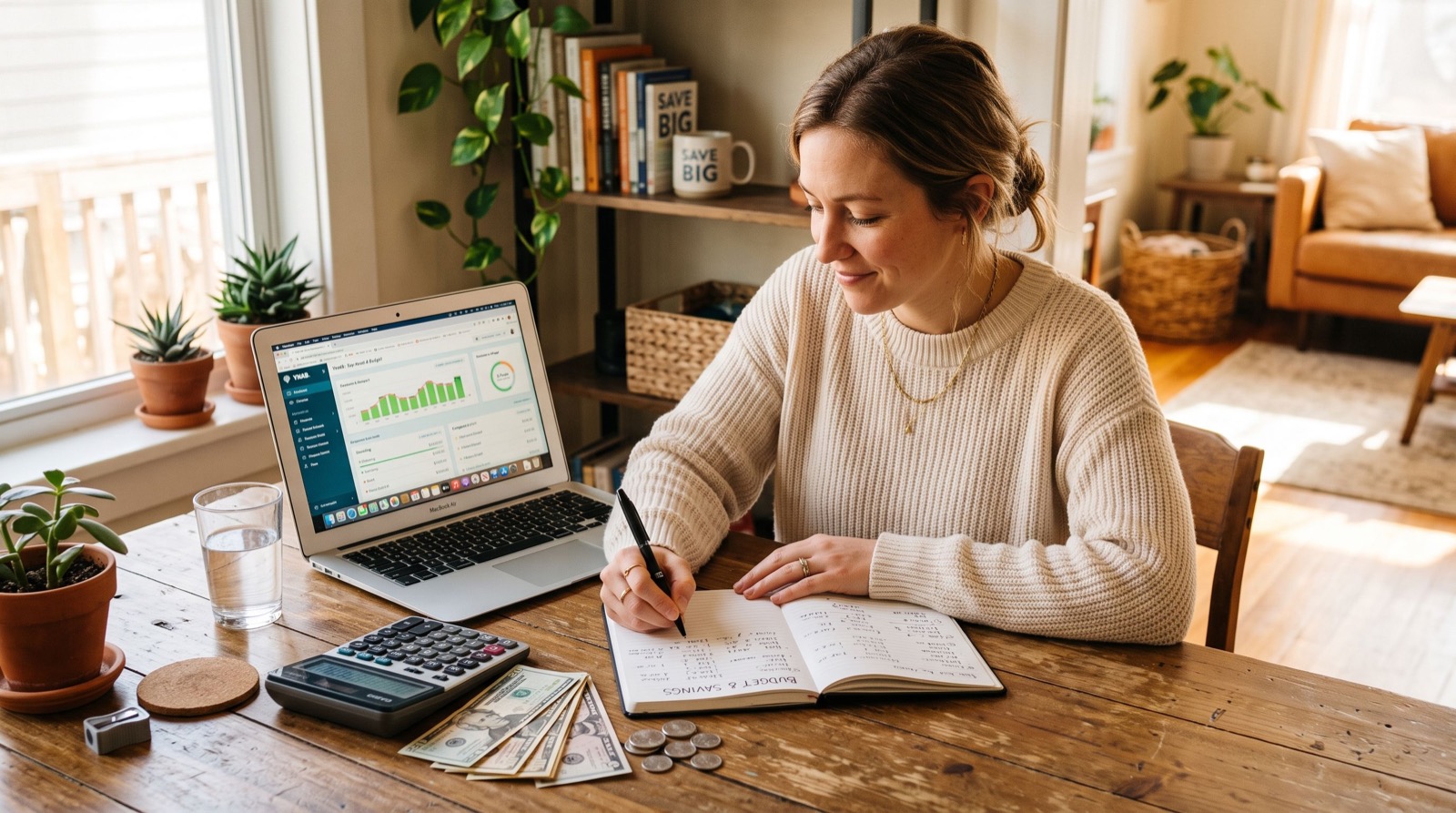
Map your instalment plan against your real monthly income, not your best-case income. Leave room for construction, which almost always costs more and takes longer than the first estimate. A comfortable buyer holds calmly; a stretched one sells at the worst possible moment.
Moving In: Turning a Plot Into a Home
Once the transfer clears, the emotional part begins. Families who plan the actual move as carefully as the purchase settle in faster and with far less stress.
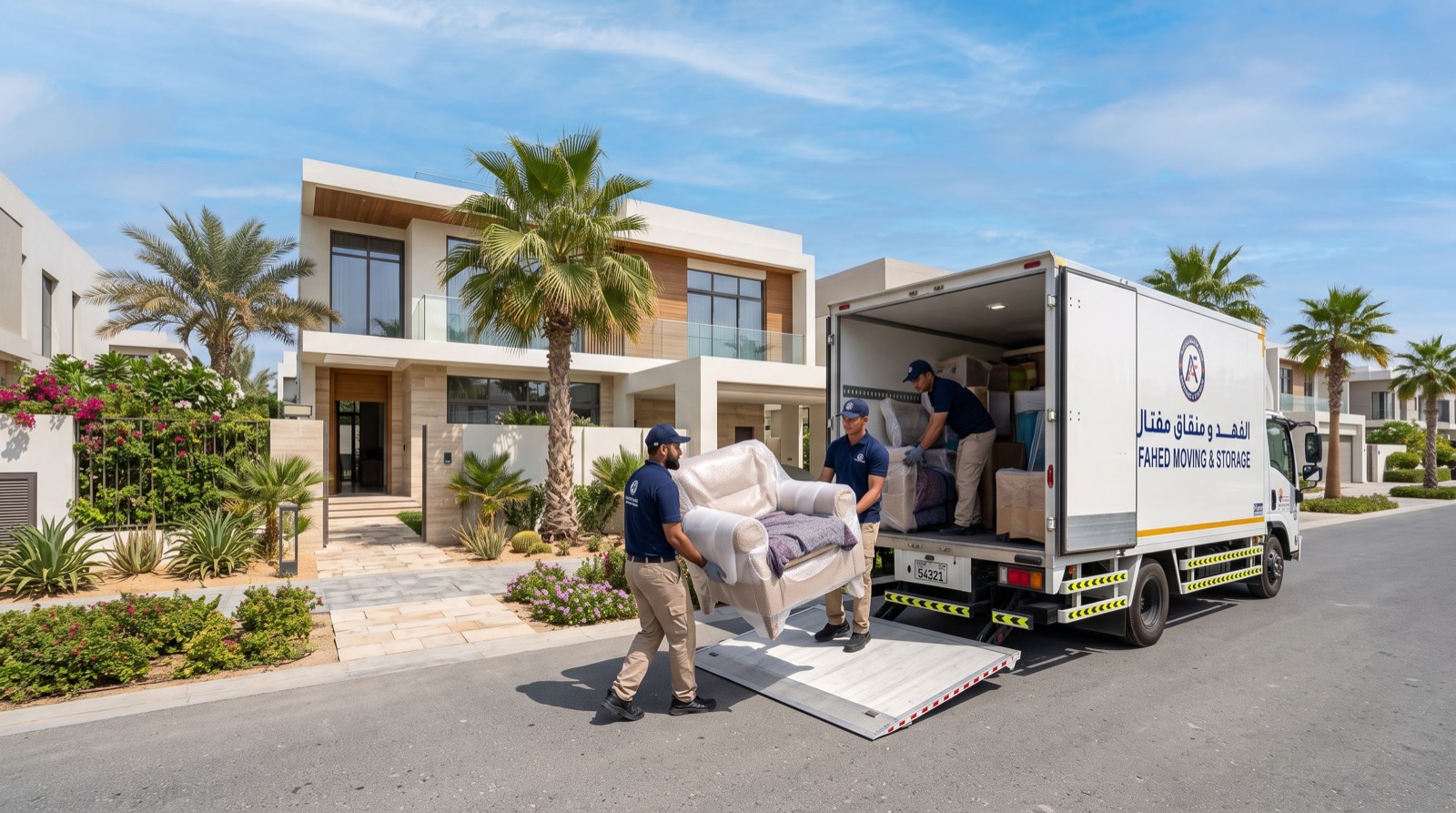
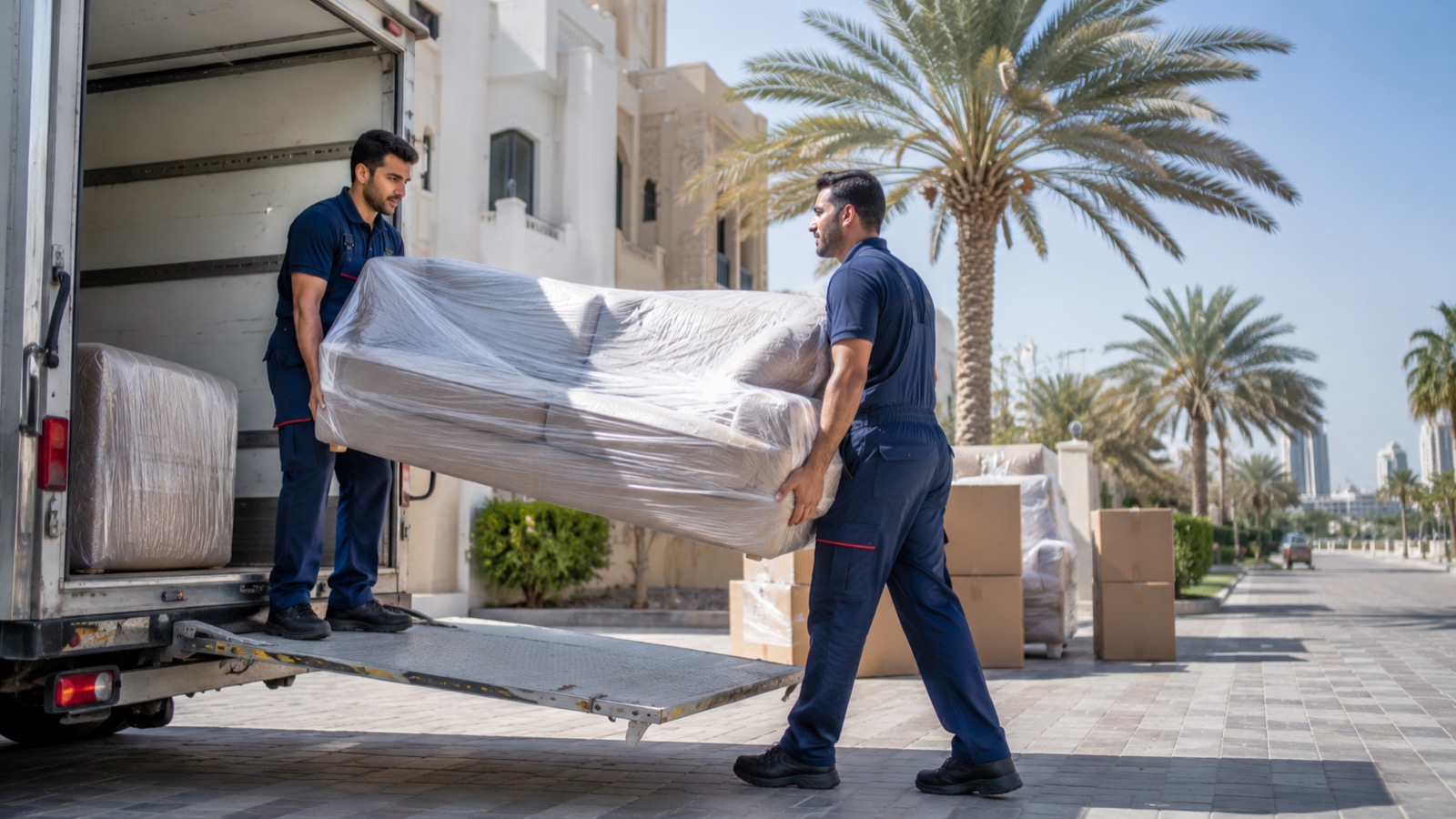
Coordinate your construction timeline, utility connections, and school admissions so nothing collides. If the relocation involves young children or pets, working with an experienced local team that understands the chaos of a family move can save your weekend and your sanity.
Small habits that protect your investment
Keep boundary walls maintained, pay society dues on time, and stay active in the residents’ community. Plots that sit within well-run blocks hold their value noticeably better over the years.
Frequently Asked Questions
Is Rawalpindi a good place to buy property in 2026?
Yes. Affordability relative to Islamabad, improving road infrastructure, and mature gated societies make Rawalpindi attractive for both end-users and investors this year.
How much should I budget beyond the plot price?
Set aside roughly ten to fifteen percent extra for transfer fees, development charges, stamp duty, and immediate boundary work. Building costs are separate again.
Should a first-time buyer choose residential or commercial?
First-time buyers usually start residential because entry costs are lower and the asset doubles as a home. Commercial suits those chasing rental income with a bigger budget.
How do I verify a society is legally approved?
Match the scheme against the relevant development authority’s records, request its approval documents, and confirm the specific block you want is included in the sanctioned layout.
Final Thoughts
Buying property in Rawalpindi in 2026 rewards patience, verification, and a clear sense of the life you want the plot to support. Shortlist honestly, check every document, and treat the move itself as part of the investment. Do that, and your new address becomes a genuine home rather than just a line on a title deed.