Frozen Storage in Saudi Arabia: A 2026 Playbook for Food Businesses
Frozen storage is the backbone of Saudi Arabia’s food trade. From imported seafood landing at the ports to locally produced meat and ready meals, freezing is what lets the Kingdom feed a growing population year-round. Yet many food operators underestimate how much technique separates a well-run freezer from an expensive liability.
This playbook takes a hands-on view. I will cover how frozen storage works, where it fits alongside dry storage, and the practical habits that keep product quality high and energy bills sane throughout 2026. If you handle perishable food, the details here directly affect your bottom line.
How Frozen Storage Preserves Food
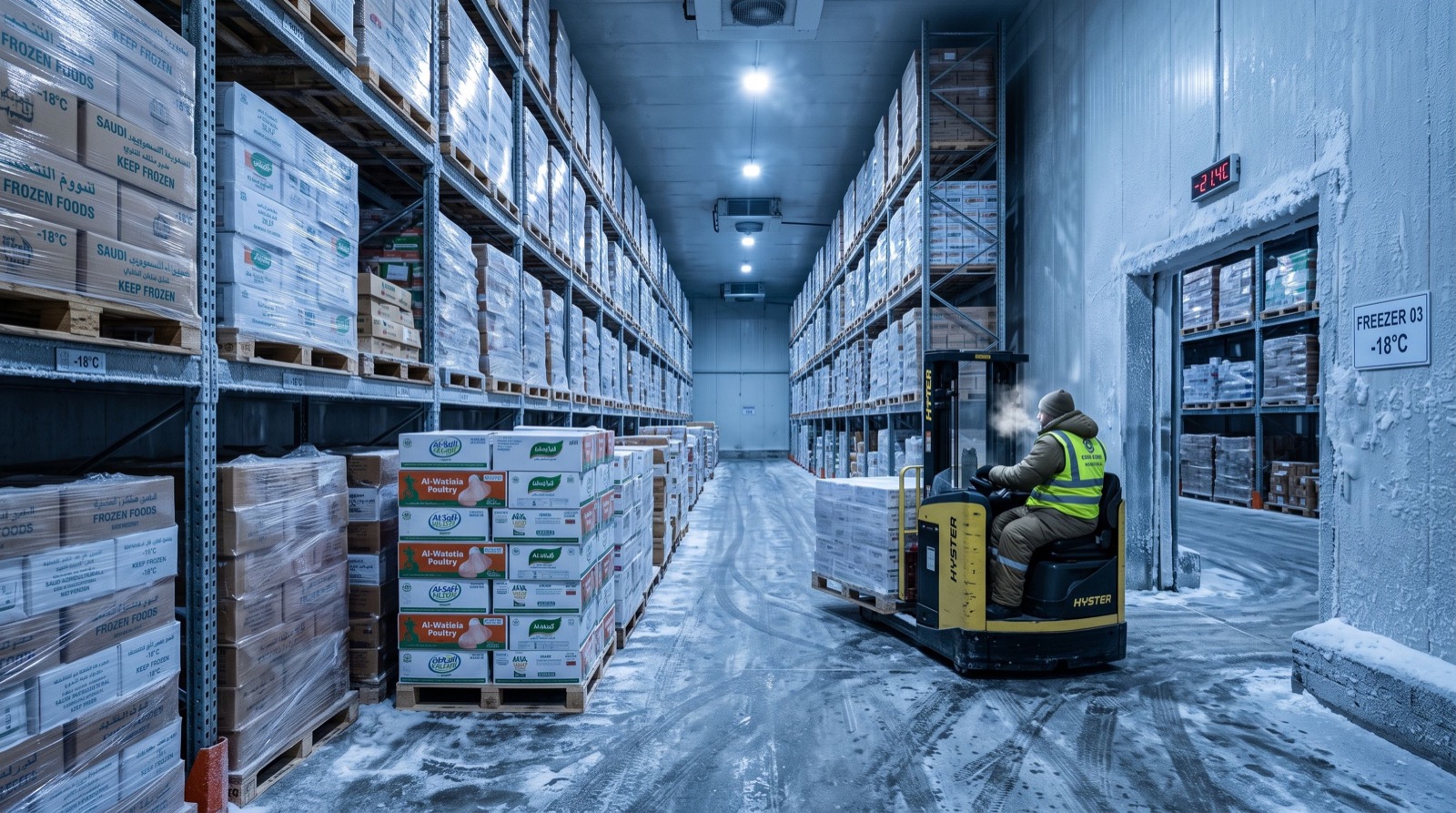
Frozen storage holds products at -18°C or colder, halting the microbial and enzymatic activity that spoils food. At that temperature, bacteria cannot multiply and chemical breakdown slows to a crawl, so meat, seafood, and prepared meals stay safe for months.
The science is simple, but consistency is everything. Fluctuating temperatures cause ice crystals to grow and shrink, damaging cell structure and producing that dreaded freezer burn. A stable, deep freeze protects both safety and texture.
The Cost of Getting It Wrong
Temperature abuse in frozen goods is a serious safety issue. Guidance from the U.S. Food and Drug Administration stresses that keeping freezers at or below -18°C is essential for safe long-term storage. For Saudi importers, a single thaw-refreeze cycle can render an entire container unsellable.
Frozen and Dry Storage Working Together
No food business runs on freezing alone. Frozen and dry storage complement each other, and knowing which goods belong where controls both cost and quality. Rice, flour, canned goods, and spices belong in stable, ventilated Dry Storage, while perishables demand the freezer.
For frozen inventory itself, professional facilities offer dedicated Frozen Storage in Saudi Arabia engineered to hold deep temperatures reliably even through the fierce summer months.
Comparing Frozen and Dry Storage
The two systems solve different problems. This table clarifies when each earns its place in your operation.
| Attribute | Frozen Storage | Dry Storage |
|---|---|---|
| Temperature | -18°C or colder | 10°C to 25°C |
| Best for | Meat, seafood, ice cream | Grains, canned, dried goods |
| Shelf life | Months to a year | Months to years |
| Energy demand | High | Very low |
| Main risk | Freezer burn, thaw cycles | Pests, moisture |
What Makes Frozen Storage Reliable?
A dependable freezer is more than a cold box. These features separate professional facilities from risky ones.
- Automatic backup generators for uninterrupted cooling
- Continuous temperature monitoring with alerts
- Blast freezing capacity for rapid initial freezing
- Insulated loading docks to prevent warm-air ingress
- Regular defrost cycles that maintain efficiency
An Insider Tip on Stock Rotation
Here is a practical habit that veteran cold-store managers swear by: date every pallet on entry and enforce strict first-in, first-out rotation, even when it slows loading. Frozen food does not last forever, and buried old stock is how businesses ship product past its best. A simple dated labelling system prevents quality complaints and waste that quietly erode margins.
How Do You Choose the Right Frozen Storage Partner?
Selecting a facility deserves the same care you give to selecting suppliers. Work through this sequence.
- Verify the facility holds -18°C consistently, backed by logs.
- Confirm backup power and how fast it engages.
- Check hygiene and food-safety certification.
- Assess location relative to ports and your distribution routes.
- Review flexibility for seasonal volume changes.
Because the stakes are high, it pays to work with reputable service experts who can demonstrate a track record of stable temperatures and clean audits rather than just quoting a low rate.
Efficiency Trends in 2026
Frozen storage is energy intensive, so efficiency now shapes competitiveness. Under Vision 2030, Saudi facilities increasingly adopt smarter systems to cut consumption without compromising safety.
- Variable-speed compressors that match cooling to demand
- High-performance insulation and rapid-close doors
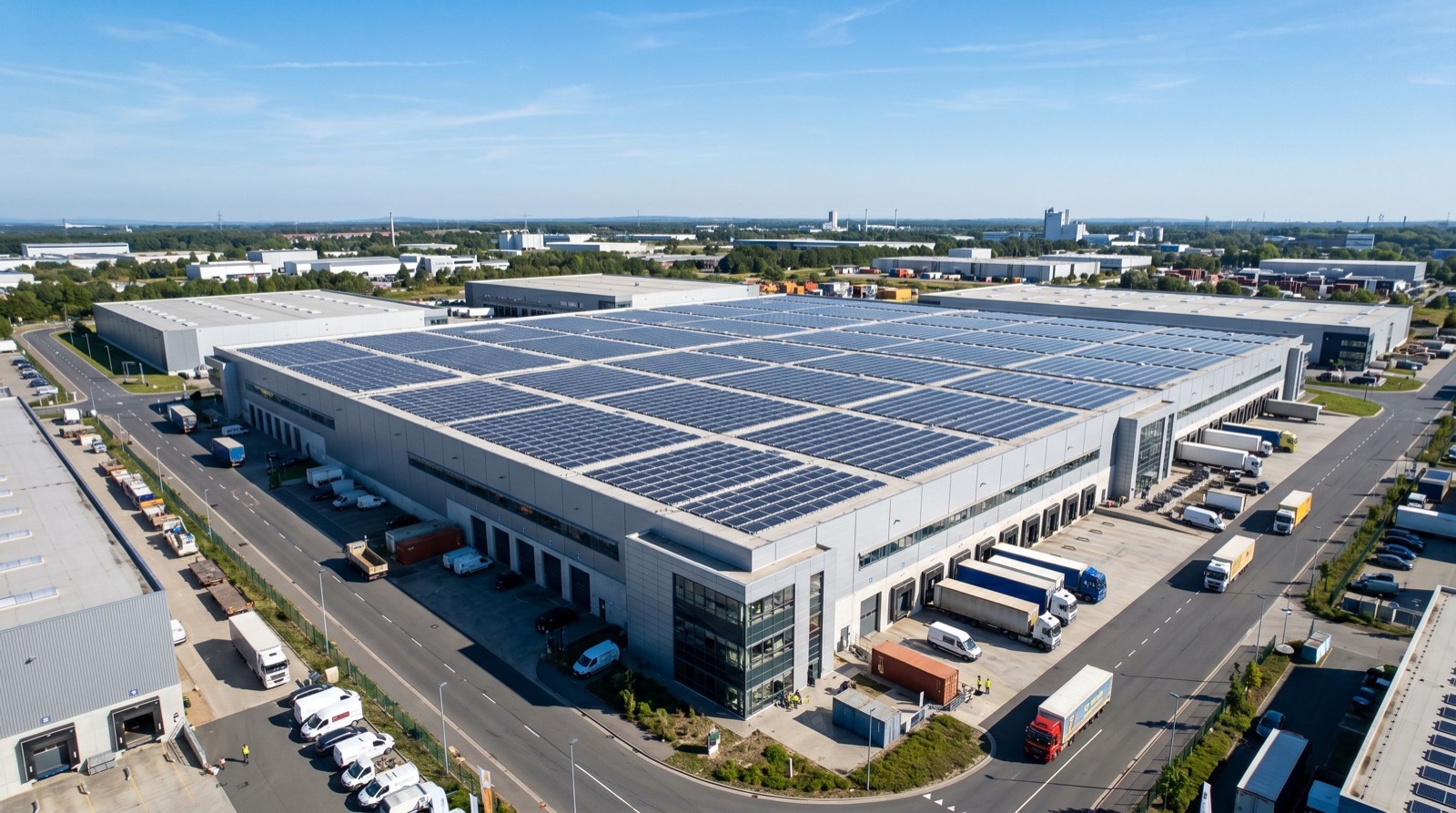
- Solar-assisted power to offset daytime load
- IoT sensors feeding real-time dashboards
These upgrades stabilize costs, which benefits you as a client through more predictable pricing and fewer disruptive outages.
Packaging: Your First Line of Defence
Even the best freezer cannot rescue poorly packaged food. Air is the enemy, since exposed surfaces dry out and develop freezer burn. Proper packaging seals product away from that damage before it ever enters the cold store.
Vacuum sealing, tight wrapping, and airtight containers all extend frozen shelf life dramatically. For bulk operators, this is not a minor detail. It is the difference between shipping premium product and shipping something customers quietly stop reordering.
Packaging Habits That Preserve Quality
- Vacuum seal meat and seafood to block air contact
- Portion items before freezing to avoid repeated thawing
- Label every package with contents and freeze date
- Avoid overloading, which restricts cold airflow between items
Managing the Thaw Chain Correctly
Frozen storage does not end at the freezer door. How product leaves the cold store shapes its final quality. Rapid temperature swings during dispatch cause condensation and partial thawing that damage texture.
Professional facilities manage this with refrigerated staging areas and insulated transport handovers. A real-world example shows why it matters. A distributor once moved frozen seafood through a hot dock during loading, and by delivery the boxes showed thaw marks and ice crystals. The product was technically safe but visibly degraded, and the client refused the shipment. A cold, sealed loading process would have prevented the loss entirely.
As Saudi food logistics mature through 2026, controlling this final stretch of the cold chain is becoming a competitive advantage, not just a safety measure.
Frequently Asked Questions
What temperature is required for frozen storage?
Frozen storage should hold food at -18°C or colder. This stops bacterial growth and preserves safety and quality for months. Warmer temperatures shorten shelf life and risk spoilage, so consistency is critical.
How long can food stay in frozen storage?
Most frozen foods keep well for several months to a year, depending on the product. Meat and seafood have shorter windows than baked goods. Stable temperature and proper packaging extend quality significantly.
What is the difference between frozen and dry storage?
Frozen storage keeps perishables at -18°C or below, while dry storage holds shelf-stable goods like grains and canned items at room temperature. Each protects different products, and most food businesses need both.
Does frozen food lose quality over time?
Yes, gradually. Even at -18°C, texture and flavour slowly decline, and freezer burn can occur with poor packaging or temperature swings. First-in, first-out rotation and airtight wrapping keep quality high.
Compliance and Traceability
Saudi food regulators expect clear records, and frozen storage sits under close scrutiny because the safety stakes are high. Facilities that log temperatures continuously and trace every pallet make compliance straightforward for their clients.
Traceability also protects your brand. If a quality question arises, a documented cold chain lets you show exactly where and how product was held. That transparency turns a potential crisis into a quick, evidence-backed answer.
As standards tighten through 2026, choosing a facility with strong record-keeping is no longer optional for serious food businesses. It is the foundation that lets you sell with confidence and respond fast if anything is ever challenged.
Final Thoughts
Frozen storage in Saudi Arabia is not a commodity service; it is a quality safeguard for every food business that depends on perishables. Pair it with well-run dry storage, insist on stable temperatures and clean audits, and enforce disciplined rotation, and you protect both safety and profit. In 2026, the operators who master these fundamentals are the ones customers trust to deliver fresh, safe food every time.